PEST PREVENTION DURING CONSTRUCTION
New Construction Pest Control McKinney, TX
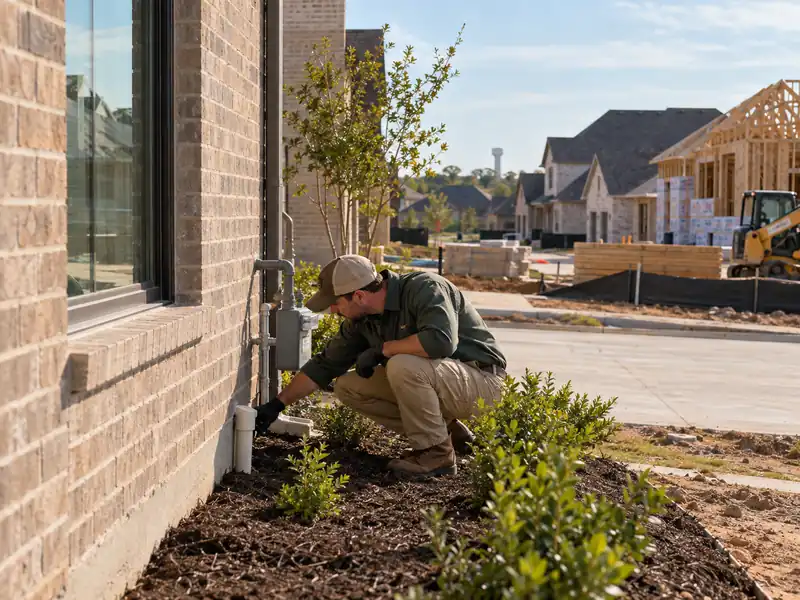
New construction creates a different pest-control opportunity: access to soil, penetrations, wall interfaces, utility routes, fresh landscaping, and structural details before every area is concealed or occupied.
PEST PREVENTION DURING CONSTRUCTION
Construction Stage Changes the Prevention Options
The value of Construction-stage pest prevention in McKinney is valuable because is timing. Some prevention steps are easier before concrete edges, wall systems, utility penetrations, landscaping, storage, and finished surfaces limit access. The right plan depends on construction stage, pest target, product label, and the responsibilities of the builder and pest operator.
Construction-stage prevention focuses on access before finishes and landscaping are complete. After occupancy, inspection and household pest treatment may require a different plan.
KEY VARIABLES
What Changes the Service Decision
Soil & foundation stage
Termite-prevention opportunities may exist before or around foundation work, depending on construction method, label directions, and the operator’s permitted service scope.
Utility & envelope stage
Pipe, cable, HVAC, roof, garage, and wall transitions can be reviewed before finishes make access more difficult.
Landscaping & turnover
Fresh mulch, irrigation, grading, sod, plantings, dumpsters, stored materials, and construction debris can change pest pressure around completion.
PRECONSTRUCTION, PRE-SLAB & TURNOVER PLANNING
The Best Prevention Window Changes as the Build Progresses
New construction pest control is different from routine household treatment because access changes quickly. Some conditions are easier to inspect or address before concrete, drywall, insulation, cabinets, landscaping, or final turnover close them in.
1. Soil & Foundation
Coordinate termite-prevention decisions, slab interfaces, plumbing penetrations, and documentation before access changes.
2. Framing & Envelope
Review utility penetrations, roof and soffit details, garage transitions, vents, and unfinished structural gaps.
3. Finish & Landscaping
Recheck grading, irrigation, mulch, vegetation, dumpsters, pallets, cardboard, stored materials, and temporary food sources.
4. Turnover Inspection
Confirm what changed after earlier prevention work and document conditions before occupancy.
SCOPE BEFORE ASSUMPTIONS
What McKinney Construction Projects Need Coordinated
Prevention should be coordinated with the build schedule rather than applied generically. The pest operator may need access before a slab, wall finish, insulation, or landscape layer is completed. Builders and owners should also confirm which treatments are included by the construction contract, which require separate authorization, and how documentation will be retained.
Useful information before the call
Have the property type, ZIP, affected areas, timing, duration, photos if available, recent DIY products or repairs, and any access limitations ready. Better input produces a more useful first conversation.
HOW THE DECISION WORKS
A Practical Four-Step Approach
1
Identify Stage
Confirm whether the project is pre-slab, framed, dried-in, finishing, landscaping, turnover, or newly occupied.
2
Define Targets
Separate termite-prevention needs from general insects, rodents, stored-material pests, and post-construction monitoring.
3
Coordinate
Align access, treatment timing, safety, trade sequencing, and documentation with the builder or responsible party.
4
Transition
At turnover, inspect conditions that changed during construction and establish the appropriate residential prevention plan.
LOCAL CONTEXT
New Builds, Landscaping, and McKinney Growth
McKinney contains active new-home development alongside established neighborhoods. New construction does not mean a property is automatically pest-free or pest-prone; it simply creates different inspection priorities. Fresh grading, utility work, landscape installation, garage transitions, stored materials, and unfinished interfaces deserve attention because they may be easier to address before occupancy.
Primary McKinney ZIP references are 75069, 75070, 75071, and 75072. Always confirm the exact address and requested service before relying on a coverage assumption.
CONSTRUCTION-SPECIFIC PEST PRESSURE
Three Conditions Deserve Separate Attention
Termite Prevention
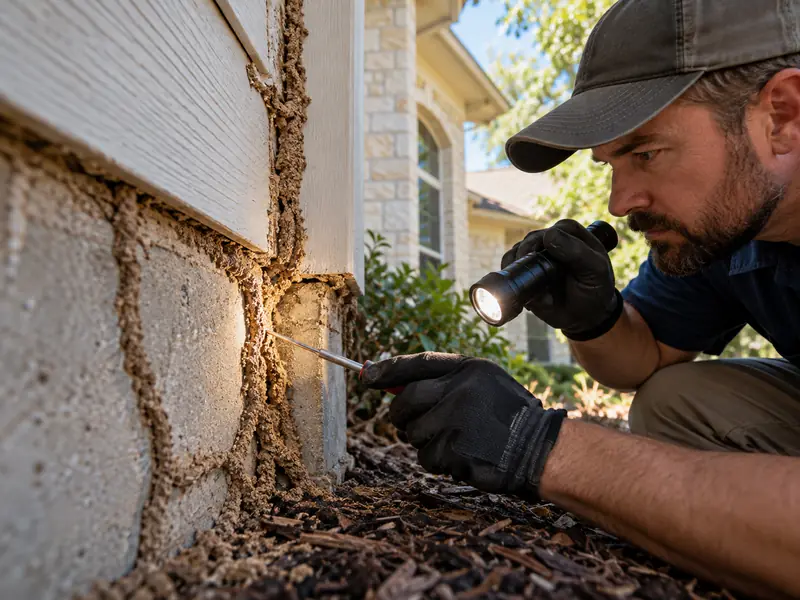
Foundation-stage access can matter for soil or structural termite-prevention planning and later documentation.
Turnover Inspection
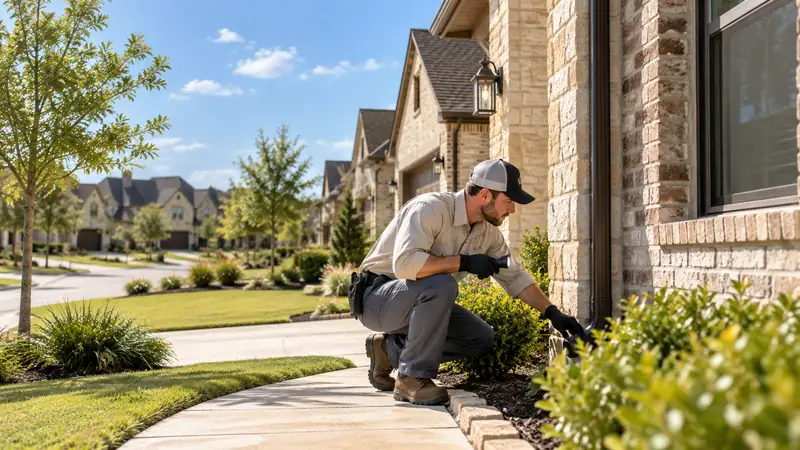
A completed home should be rechecked because finishes, landscaping, storage, and occupancy can create new conditions.
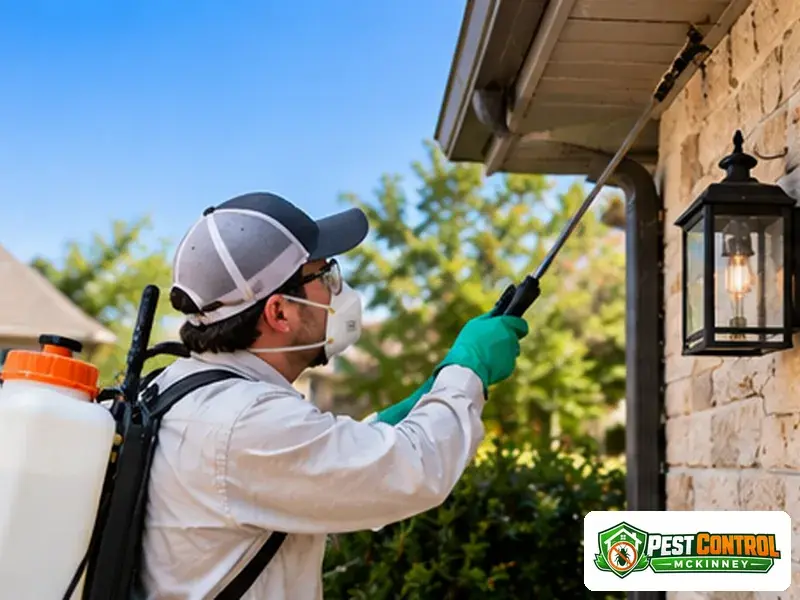
Exterior & Entry Details
Utility lines, doors, garages, rooflines, irrigation, grading, and landscaping can create future pest routes if overlooked.
For a new build, ask which termite-prevention work, inspection, and documentation are included at each construction milestone. For termite activity in an occupied home, see Termite Control.
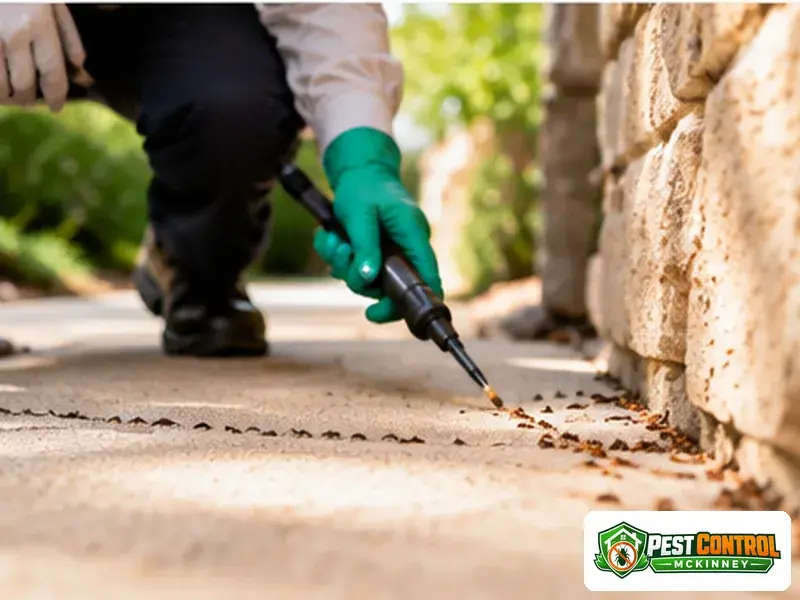
RELATED PATHS
Related Services & Guides
STRAIGHT ANSWERS
Frequently Asked Questions About Construction-Stage Pest Prevention
Is pest prevention only for termites during construction?
No. Termite work is a major construction-stage category, but general insects, rodents, stored materials, utility penetrations, and landscaping conditions can also matter at different stages.
When should the pest-control provider be contacted?
As early as practical when the desired treatment depends on access before a construction milestone. Waiting until finishes are complete can remove some options.
Does a new home still need pest inspection after completion?
It can. Construction activity, landscaping, utility openings, stored materials, and early occupancy can create conditions worth checking even when prevention steps were used during the build.
Can every construction-stage treatment be used on every project?
No. Product labels, construction method, local requirements, access, trade sequencing, and the operator’s service scope all matter.
Who keeps the treatment documentation?
The responsible builder, property owner, and servicing company should clarify documentation before treatment. Keep records that identify what was done, when, where, and by whom.
Planning Pest Prevention for a McKinney Build?
Call with the project stage, address or ZIP, construction type, anticipated timeline, and whether the request involves termites, general pests, rodents, or turnover inspection.