SERVICE DIRECTORY

Pest Services in McKinney, TX

Choose the service path that matches the pest, property condition, or planning question. This page is a navigation hub rather than another broad homepage.

CORE PEST SERVICES

Choose the Pest or Problem First

Use the narrowest service page that matches the evidence. This directory routes broad “pest control” intent into the specialist pages instead of duplicating their treatment content.
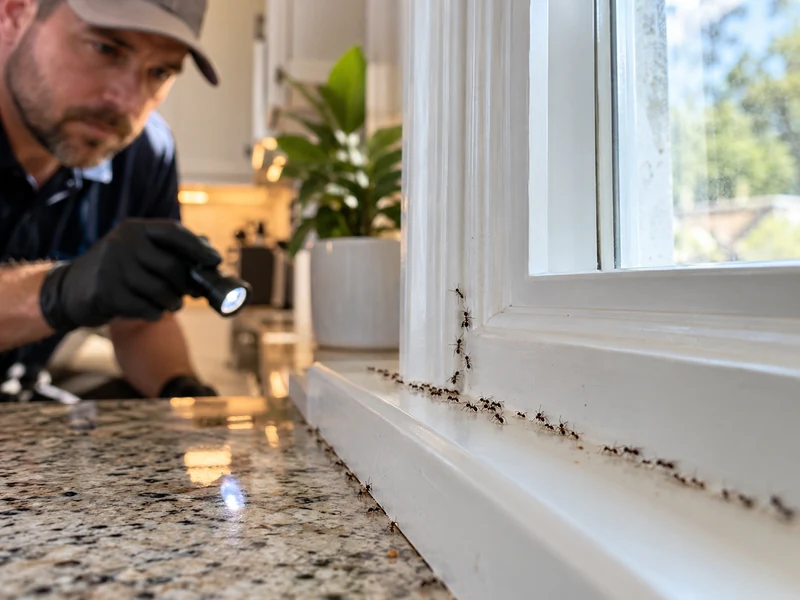
Ant control service inspecting an ant trail at a McKinney home

Ant Control

Trails, mounds, colony behavior, indoor ants, and exterior pressure.

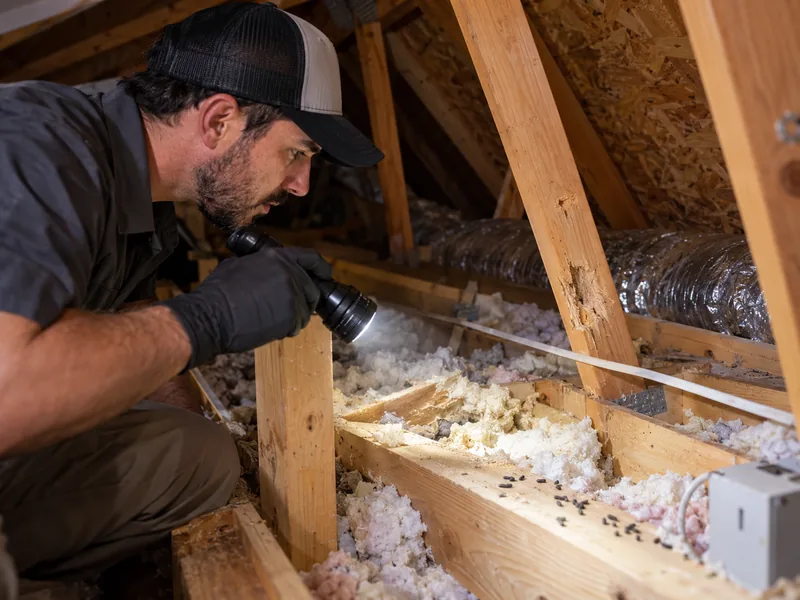
Rodent control technician inspecting a McKinney attic for mice and rats

Rodent Control

Mice, rats, attic activity, trapping, monitoring, and active-population control.
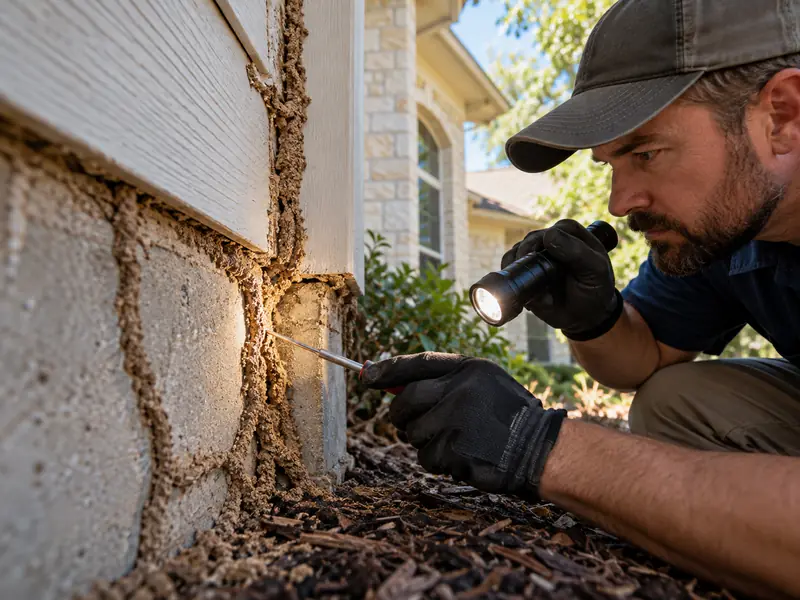
Termite inspection along a McKinney home foundation

Termite Control

Mud tubes, swarmers, wood evidence, inspection, and treatment planning.
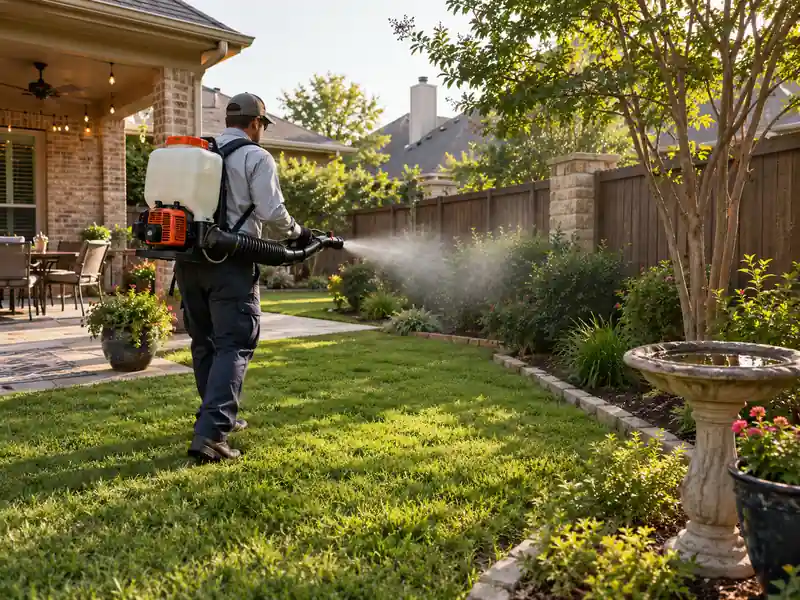
Mosquito control service treating a backyard in McKinney Texas

Mosquito Control

Standing water, yard pressure, resting habitat, source reduction, and treatment.
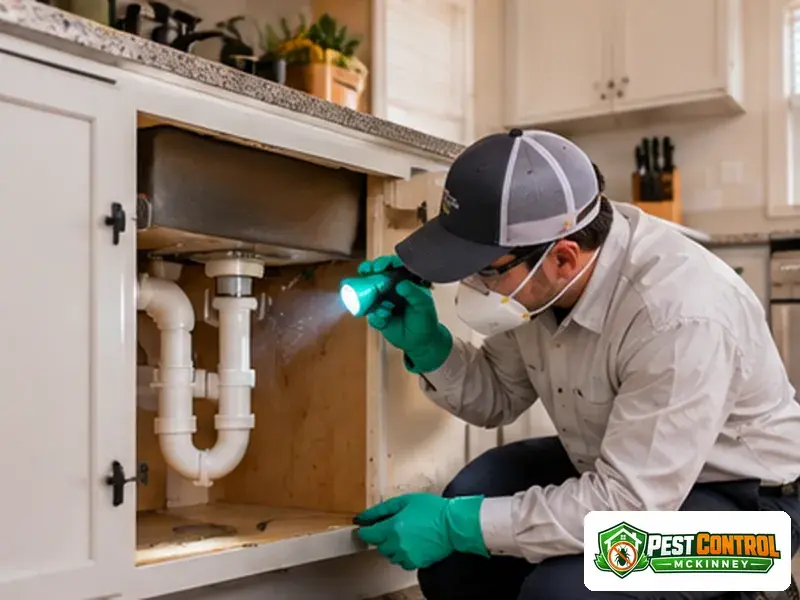
Cockroach inspection beneath a kitchen sink in a McKinney residence

Cockroach Control

Kitchen, bathroom, moisture, harborage, monitoring, and targeted treatment.
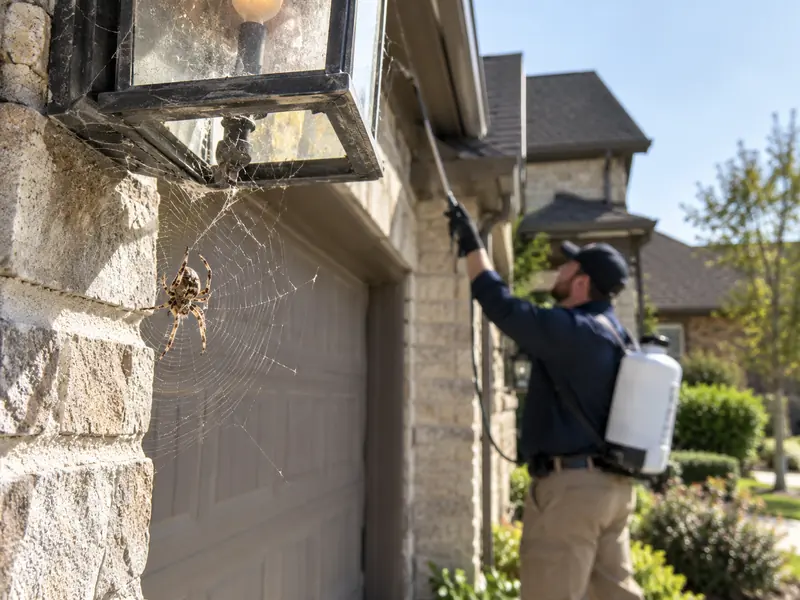
Spider control inspection near an exterior light at a McKinney home

Spider Control

Webs, prey pressure, exterior lighting, entry points, and recurring activity.

Bed bug inspection along a mattress seam in a McKinney bedroom

Bed Bug Control

Inspection, evidence, harborages, preparation, treatment scope, and follow-up.

Exterior pest-control treatment around a McKinney home

Wasp & Hornet Control

Nest location, structural access, removal considerations, and sting-risk planning.

PLANNING, PREVENTION & SPECIALTY PATHS

Not Every Request Starts With a Pest Name

Pest Inspection

Start here when the evidence is unclear or several signs overlap.

Inspection →

Rodent Exclusion

Structural sealing and repair after active rodent pressure is understood.

Exclusion →

New Construction

Construction-stage pest prevention, termite planning, and turnover inspection.

New construction →

Cost Guide

Review the property, pest, access, treatment, and follow-up factors that change service scope.

Cost factors →

Safety Guide

Review preparation, pets, children, labels, product placement, and re-entry questions.

Safety guidance →

Service Areas

Confirm McKinney ZIP coverage and local service-area context before scheduling.

Coverage →

Choose the Narrowest Service That Matches the Evidence

The service directory is designed to route a McKinney homeowner from a symptom to the most relevant page instead of treating every pest concern as the same generic visit.

Start with the pest when identification is reasonably clear

Visible ant trails, confirmed bed bugs, recurring cockroach activity, a wasp nest, or a documented rodent problem can usually move directly to a pest-specific page. Those pages explain the evidence, treatment considerations, preparation, prevention, and follow-up that matter for that category.

Start with inspection when the evidence is uncertain

Scratching in a wall, unexplained bites, damaged wood, winged insects, droppings with no confirmed source, or activity spanning several areas may justify an inspection-first path. The inspection page is intended to separate current evidence from assumptions and then route the finding to the correct service.

Use exclusion and prevention pages for structural intent

Rodent exclusion is different from active rodent removal. Pest-proofing is different from treating an established colony or infestation. New-construction prevention is different from recurring household pest service. Keeping these intents separate helps homeowners compare the actual scope rather than choosing a page only because the wording sounds similar.

  • Use pest-specific pages for identified active problems.
  • Use inspection when the species or source is unclear.
  • Use exclusion for verified structural entry routes.
  • Use cost and safety guides to compare scope, preparation, and service conditions before scheduling.