
ABOUT THE SERVICE APPROACH
About Pest Control McKinney
Find clear guidance on identifying pests, understanding treatment options, preparing your property, and reducing conditions that allow problems to return.
Start With Evidence, Not a Generic Treatment
Different pests require different inspection priorities. Ant trails, rodent noises, termite swarmers, cockroach sightings, mosquito pressure, bed bug evidence, and wasp nests should not be treated as interchangeable problems. That is why the site routes users into specific service pages rather than repeating one broad claim everywhere.
When identification is uncertain, the correct next step is a pest inspection. Once the problem is understood, the relevant service page explains treatment, prevention, limitations, follow-up, and connected questions such as cost and safety.
What to Expect From a Pest-Control Plan
Inspection First
Use visible evidence, property conditions, and access before choosing treatment.
Scope Transparency
Explain what is treated, what is not, expected follow-up, and factors that can change the plan.
Prevention
Connect active control with practical moisture, food, entry, storage, landscape, or exclusion corrections.
Local Relevance
Discuss your address, property layout, construction stage, irrigation, landscaping, and access so the plan reflects your home.
CHOOSING THE RIGHT SERVICE
Choose a Service That Matches the Problem
Different pest problems call for different methods. Use the relevant service information to understand the signs to document, the preparation that may be needed, and the treatment and follow-up questions to ask.
Evidence First
A pest-control recommendation should connect visible signs, property conditions, and access to the treatment decision.
Property-Specific Planning
Construction age, shared walls, rooflines, garages, landscaping, drainage, irrigation, storage, pets, and occupancy can change what matters.
Clear Scope
Users should be able to distinguish inspection, active treatment, exclusion, monitoring, prevention, and specialty work instead of assuming they are one bundled service.
Connected Information
Service pages link to cost, safety, inspection, service areas, and relevant homeowner guides so the next question has a logical destination.
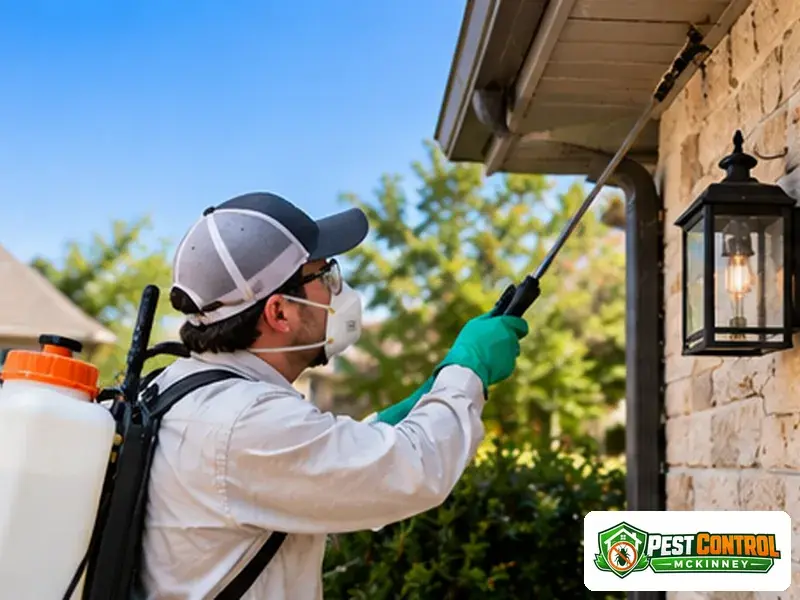
Before arranging service, request current licensing, insurance, and any treatment records relevant to the work. Example documents on this site explain what those records may contain; they do not verify a provider’s credentials.
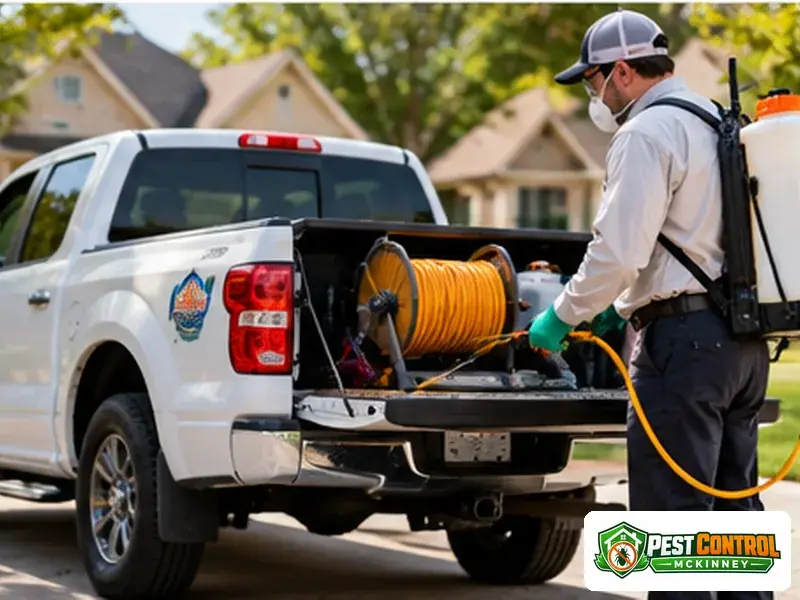
Meet the roles behind a clear service plan on Our Team, from inspection and field work to customer care.