KITCHENS, MOISTURE & HARBORAGE
Cockroach Control McKinney, TX
Recurring cockroaches usually need a source-focused plan: identify the roach, inspect harborages, reduce food and moisture access, and use targeted treatment where activity is supported by evidence.
KITCHENS, MOISTURE & HARBORAGE
Cockroach Species and Location Change the Plan
Kitchen sightings after dark, small roaches around appliances, larger roaches near drains or garages, and occasional outdoor invaders do not all indicate the same source. Local cockroach treatment should begin with identification and activity mapping because harborage, moisture needs, reproduction, and treatment response can differ.
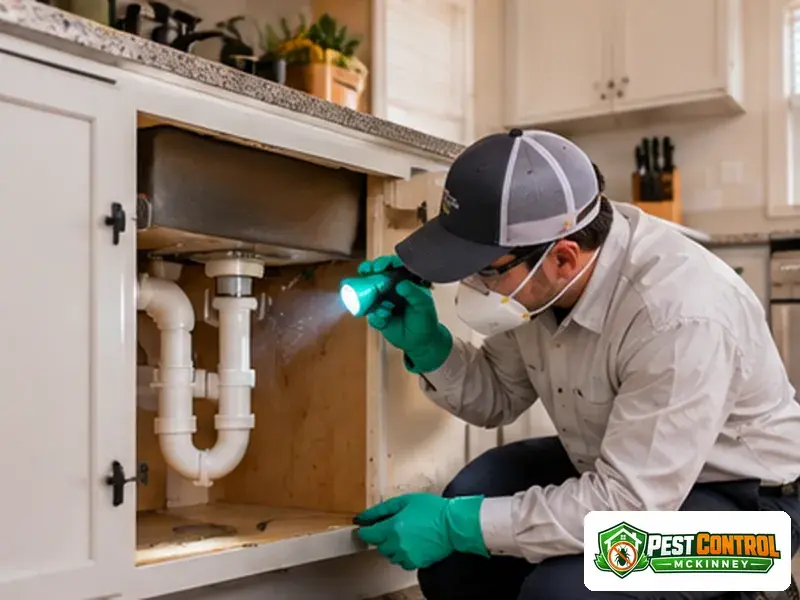
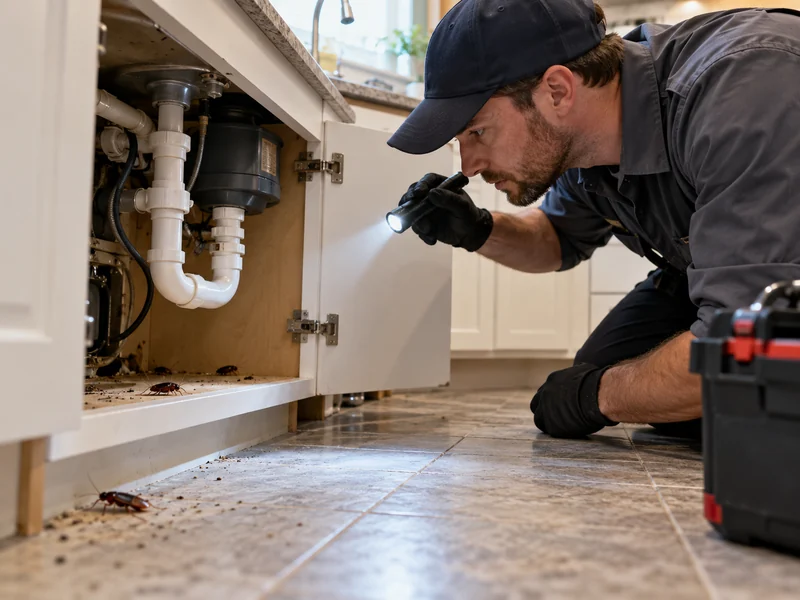
Inspection commonly focuses beneath sinks, around dishwashers and refrigerators, cabinet voids, plumbing penetrations, pantries, trash areas, bathrooms, laundry rooms, garages, and exterior moisture. Sticky monitors can help show where activity is concentrated and whether the population is changing after service.
INSPECTION PRIORITIES
What to Check Before Treatment
Food & residue
Crumbs, grease, pet food, unsealed pantry products, recyclables, and trash can support activity even when the home looks generally clean.
Moisture & plumbing
Leaks, condensation, drains, sink cabinets, appliance lines, and damp voids can create reliable water sources.
Harborage
Cabinet seams, appliances, wall voids, cardboard, clutter, pipe chases, and warm protected spaces can conceal activity.
WHY DETAILS MATTER
Targeted Placement Beats Broad Interior Spraying
For many indoor cockroach problems, the most productive treatment locations are the harborages and travel routes-not open floors and counters. Depending on the species and setting, a plan may combine baits, insect growth regulators, targeted residual products, dusts in appropriate voids, monitoring, sanitation, and exclusion. Every product should be used according to its label and the actual site.
Sanitation supports treatment but should not be framed as blame. Cockroaches can enter in boxes, appliances, groceries, used items, neighboring units, drains, or exterior openings. The practical goal is to remove competing food and moisture, improve access for treatment, and monitor whether activity is shrinking. Follow-up should compare monitor counts and fresh sightings rather than relying only on whether one roach appears.
SERVICE WORKFLOW
A Practical Four-Step Approach
1
Identify
Determine the likely cockroach type and where current activity is strongest.
2
Monitor
Use sightings and monitors to map kitchens, bathrooms, appliances, plumbing, or exterior sources.
3
Treat Harborages
Place labeled products in relevant cracks, voids, routes, and source areas rather than spraying indiscriminately.
4
Reduce Support
Address food, moisture, cardboard, clutter, plumbing access, and repeat entry where practical.
MCKINNEY PROPERTY CONTEXT
Property Conditions Still Change the Plan
Homes across McKinney differ in age, construction, landscaping, irrigation, storage, rooflines, garages, shared walls, and access. Primary ZIP references are 75069, 75070, 75071, and 75072, but the actual property conditions-not the ZIP alone-determine the inspection and treatment scope.
GERMAN ROACHES, LARGE ROACHES & HARBORAGE
Cockroach Control Starts With Species and Source
A German-cockroach kitchen infestation is different from a large outdoor roach entering through a garage, drain, or exterior route. Identification, monitoring, food, moisture, and harborage determine the plan.
German Cockroach Activity
Small tan roaches near kitchens, appliances, cabinets, plumbing, food, and warmth can reproduce indoors and often need baiting, monitoring, sanitation support, and follow-up.
Inspection & Monitoring
Sticky monitors, sighting locations, appliance voids, plumbing routes, droppings, egg cases, and moisture help map where activity is concentrated.
Targeted Treatment
Gel or station baits, growth regulators, crack-and-crevice placement, sanitation, moisture correction, and exclusion may be combined according to species and label.
Related terms naturally covered here include roach control, cockroach treatment, German cockroach control, American cockroach control, kitchen roaches, bathroom roaches, cockroach bait, growth regulators, sticky monitors, plumbing leaks, food residue, cardboard, and cockroach prevention. Sanitation is a management factor, not a moral judgment; roaches can arrive through deliveries, adjoining units, drains, used items, or exterior routes.
Related homeowner guides

RELATED PATHS
Related Services & Guides
STRAIGHT ANSWERS
Frequently Asked Questions
Does seeing one cockroach mean there is an infestation?
Not always. Species, location, time of day, repeat sightings, monitors, and other evidence help determine whether activity is established.
Why are German cockroaches treated differently?
They can reproduce indoors, hide close to food and moisture, and may require detailed baiting, monitoring, and follow-up rather than a simple perimeter approach.
Should I spray roaches with store-bought aerosol before service?
Heavy repellent use can change movement and interfere with some baiting strategies. Tell the servicing company what has already been applied.
Do clean homes get cockroaches?
Yes. Sanitation affects available resources, but cockroaches can be introduced or enter from neighboring areas, deliveries, drains, or exterior routes.
How should I prepare the kitchen?
Follow the specific service instructions. Common requests can include clearing selected cabinet areas, storing food, removing trash, and providing access around appliances or plumbing.
Seeing Roaches in the Kitchen or Bathroom?
Call with the rooms involved, size and color if known, time of day, and any recent products already used.