
WEATHER & PEST ACTIVITY
Bugs After Rain in McKinney, TX
Rain changes moisture, soil, standing water, shelter, and movement. That can make some pests suddenly more visible even when the underlying population was already present.
WHAT RAIN CHANGES
Moisture Can Reveal or Relocate Pest Activity
Heavy rain can flood soil nests, fill containers, increase humidity, move insects toward dry structures, and create breeding water. The right response depends on whether the problem is a temporary displacement, a new breeding source, or an established colony using the same entry route.
Ants After Rain
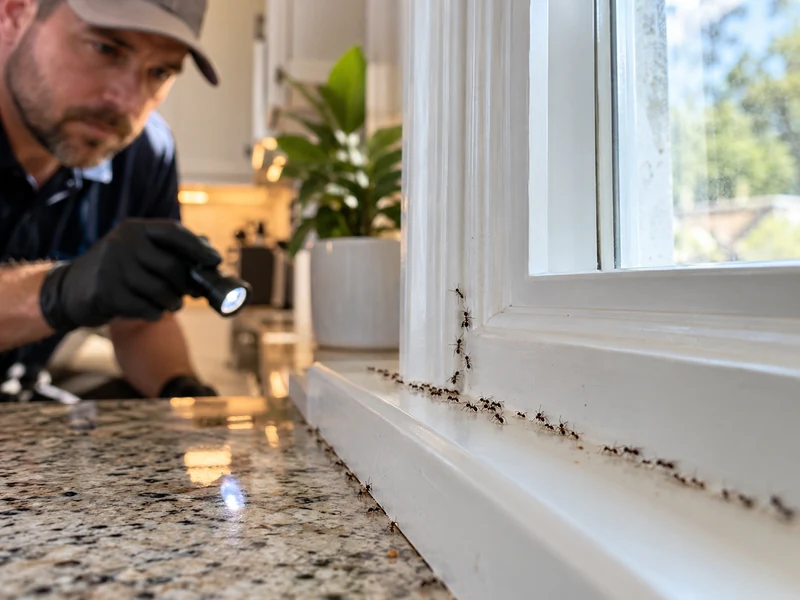
Flooded soil or changed moisture can alter foraging routes and increase visible trails near slabs, foundations, kitchens, or bathrooms.
Mosquitoes After Rain
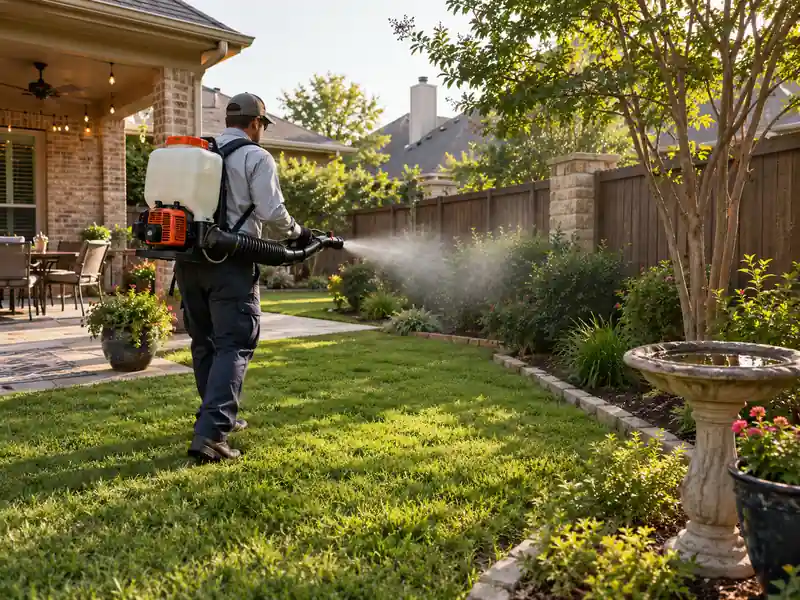
Containers, gutters, tarps, toys, low spots, and drainage problems can hold water after storms and support immature mosquitoes.
Cockroaches & Other Insects
Moisture and flooded harborages can move insects toward garages, drains, walls, or protected interior spaces.
Termite Swarm Conditions
Warm, humid conditions can coincide with termite swarming. Save specimens and look for supporting evidence rather than assuming every winged insect is a termite.
Do not respond to every post-rain sighting with broad spraying. First identify what changed and whether the activity persists after the property dries.
AFTER-RAIN RESPONSE TIMELINE
Check the Property in Stages
Same Day
Note where water is collecting, where insects are moving, and whether activity is primarily indoors, outdoors, or around one entry route.
24–48 Hours
Empty practical container water, recheck gutters and drainage, and see whether flooded ant or roach activity settles as surfaces dry.
3–7 Days
Watch for mosquito pressure, persistent ant trails, recurring indoor cockroaches, or repeated activity from the same structural route.
Persistent Activity
Move to the relevant pest-specific service page or inspection when the same evidence continues after short-term weather displacement should have passed.
This timing prevents two common mistakes: treating a one-day weather displacement as a full infestation, or ignoring a recurring source because the first sighting happened after rain.
WHAT TO CHECK
Inspect Water, Drainage, and Entry Routes After Storms
A short property walk after rain can prevent recurring problems. Empty practical container water, check accessible gutters, look for irrigation or drainage issues, inspect doors and screens, and note where insects are moving from outdoors toward the structure.
Persistent Yard Bites
Use Mosquito Control McKinney for breeding water, resting habitat, and yard treatment.
Indoor Trails
Use Ant Control McKinney when trails continue or return from the same routes.
Uncertain Insects
Use Pest Inspection when the species or source is unclear.
Rain is a trigger for inspection, not a diagnosis by itself.
QUICK ANSWERS
Frequently Asked Questions
Why do ants come inside after rain?
Flooded or altered outdoor conditions can change foraging and nesting pressure, but food, moisture, and entry routes inside still matter.
How soon can mosquitoes use rainwater?
Mosquito development can begin quickly in suitable standing water, so source reduction should not be delayed.
Does rain wash away pest treatment?
It depends on the product, placement, drying time, label, and where rain reaches. Ask the servicing company about the specific application.
Should I spray around drains after storms?
Not automatically. Identify the insect and source before adding pesticide around plumbing or drains.
Still Not Sure Which Service Fits?
Start with the evidence and use the pest-inspection page when identification or source conditions remain unclear.
Moisture reference: University of Minnesota Extension’s springtail and moisture guidance. For local mosquito prevention, see McKinney’s mosquito-control information.
Continue with the full collection of McKinney pest-control guides for related identification and prevention topics.