SEASONAL GUIDE
McKinney Seasonal Pest Calendar
Pest pressure changes with temperature, rainfall, irrigation, landscaping, indoor shelter, and breeding cycles. Use the calendar as an inspection guide, not a promise that a specific pest appears on a fixed date.
SPRING & EARLY SUMMER
Rain, Growth, Swarmers, and Outdoor Activity
Warmer weather and spring rain can change ant trails, termite swarming, mosquito breeding water, wasp nesting, spider prey, and landscape-driven pest movement. This is a useful period to recheck drainage, gutters, vegetation contact, irrigation, doors, screens, and foundation interfaces.
Ants
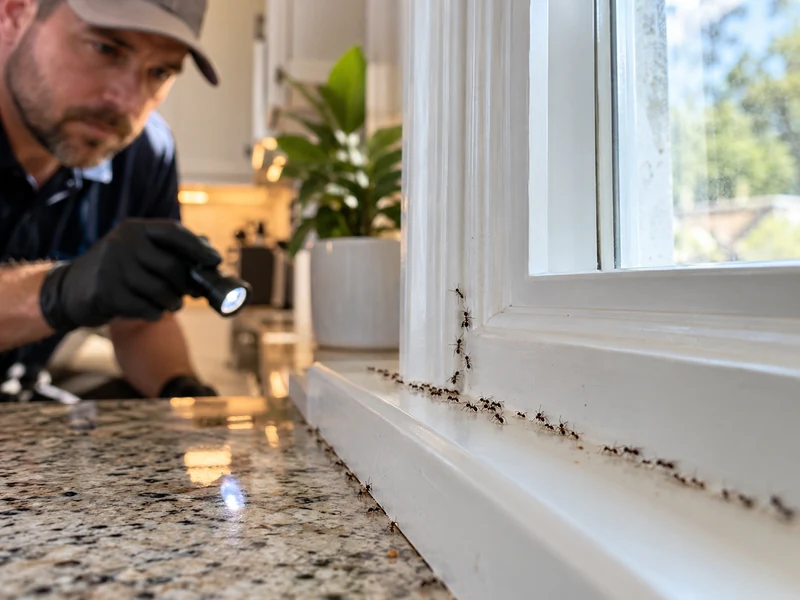
Outdoor colonies become more visible and indoor trails can increase around moisture or food sources.
Termites
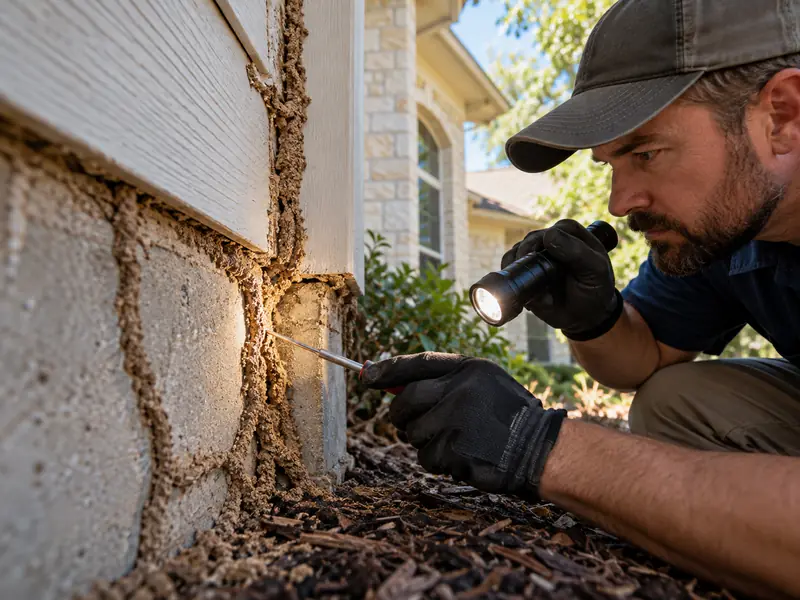
Swarmers are commonly associated with warm, humid conditions; save specimens and look for structural evidence.
Mosquitoes
Rain and irrigation can create container water and shaded resting habitat around yards.
Wasps & Spiders
Nest building and prey activity can become more noticeable around eaves, lights, patios, and landscaping.
Weather varies year to year. Use current property conditions and evidence rather than assuming a pest simply because of the month.
MCKINNEY PEST CALENDAR
What to Watch Through the Year
Jan–Feb
Watch: rodents, cockroaches, spiders, indoor invaders.
Check: garages, attic evidence, food storage, door gaps, plumbing moisture.
Mar–May
Watch: ants, termite swarmers, wasps, early mosquitoes.
Check: foundation edges, specimens, gutters, irrigation, eaves, new nests.
Jun–Aug
Watch: mosquitoes, fire ants, cockroaches, spiders, stinging insects.
Check: standing water, shade, mulch, exterior food sources, high-use yard areas.
Sep–Dec
Watch: rodents, cockroaches, spiders, occasional invaders.
Check: rooflines, soffits, door sweeps, stored materials, vegetation contact, weather-driven entry.
This calendar is a planning tool, not a prediction. McKinney weather, rainfall, irrigation, construction, landscaping, and property conditions can shift activity earlier or later. Use current evidence to choose the service page.
LATE SUMMER, FALL & WINTER
Heat, Shelter Seeking, and Structural Entry
Hot weather can concentrate pests around water and shade, while cooling weather can increase interest in protected garages, attics, wall voids, and indoor resources. Rodent evidence, cockroach movement, spiders, and occasional invaders may become more noticeable around building access.
Rodents
Inspect rooflines, garages, utility routes, food storage, vegetation contact, and fresh droppings or gnawing.
Cockroaches
Moisture, drains, kitchens, garages, mulch, and protected exterior harborages remain important.
Home Prevention
Review door sweeps, screens, storage, leaks, standing water, landscape contact, and practical entry-point repair.
Use the service-area page for McKinney coverage and the pest-specific pages for treatment details.
QUICK ANSWERS
Frequently Asked Questions
What is the worst pest season in McKinney?
There is no single season for every pest. Heat, rain, irrigation, indoor conditions, and pest biology create different peaks.
Do termites only swarm in spring?
Spring is commonly associated with swarming, but timing can vary with species and weather.
Are mosquitoes only a summer issue?
Warm conditions support mosquito activity, but local rainfall, standing water, and temperature matter more than the calendar alone.
When should I inspect for rodents?
Any time fresh signs appear. Cooler periods can increase shelter seeking, but rodents can be active year-round.
Still Not Sure Which Service Fits?
Start with the evidence and use the pest-inspection page when identification or source conditions remain unclear.
Local mosquito reference: City of McKinney mosquito-control information. Weather-based priorities are inspection prompts, not a fixed infestation schedule.
Continue with the full collection of McKinney pest-control guides for related identification and prevention topics.