
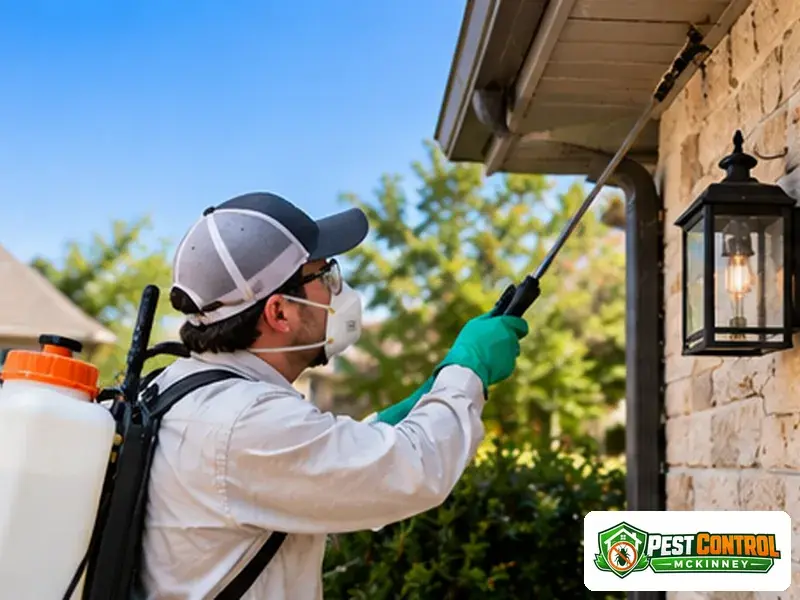
HOT-WEATHER GUIDE
Pests During Texas Heat
Extreme heat does not eliminate pest pressure. It can shift insects and rodents toward shade, moisture, irrigated landscaping, wall voids, garages, and conditioned indoor spaces.
HEAT & WATER
Hot Weather Changes Where Pests Spend Time
During prolonged heat, water availability and protected microclimates become increasingly important. Leaks, condensation, irrigation, pet water, shaded landscaping, drains, mulch, and indoor moisture can become more attractive than exposed dry areas.
Cockroaches
Large outdoor roaches may seek protected moisture, while German cockroaches can remain established indoors near kitchens and appliances.
Ants
Colonies and foraging patterns can shift around irrigation, foundations, kitchens, bathrooms, and shaded landscape edges.
Spiders
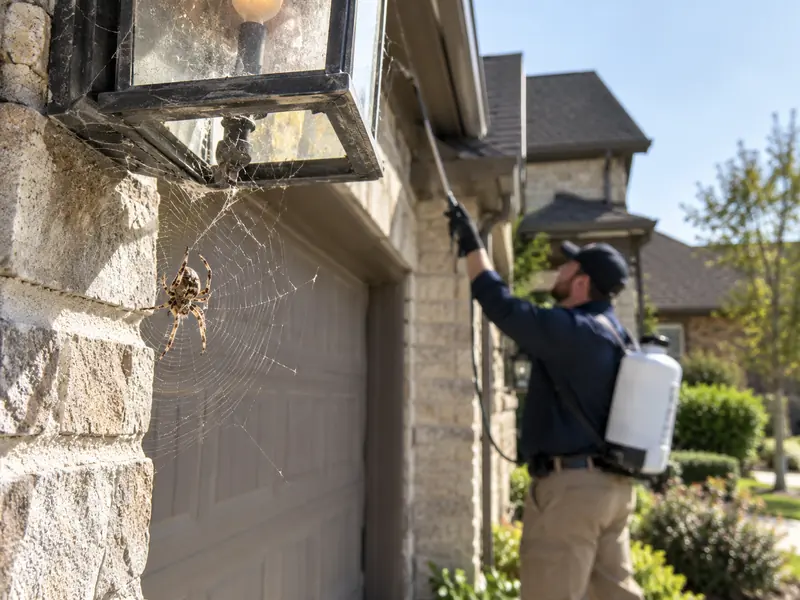
Spider activity often follows the insects they feed on, especially around exterior lights, garages, patios, and shaded structures.
Rodents
Heat does not prevent rodent activity. Water, food, shade, garages, attics, and structural access remain important.
The useful question is not “does heat kill pests?” but “where are the surviving pests finding water, shelter, and food on this property?”
HOT-WEATHER INSPECTION ZONES
Look for Water, Shade, and Protected Microclimates
Kitchens & Bathrooms
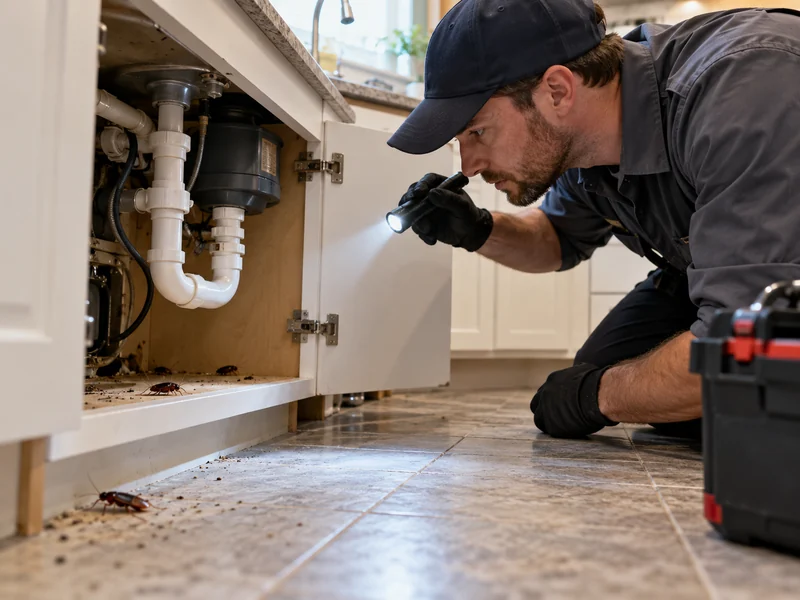
Plumbing leaks, drains, appliance heat, condensation, pet water, and food residue can concentrate indoor activity.
Garages & Attics
Rodent access, spiders, stored materials, roofline gaps, shade, and protected voids remain relevant even during extreme heat.
Landscaping & Irrigation
Mulch, dense shrubs, irrigation overspray, shaded soil, standing water, and vegetation contact can support ants, mosquitoes, roaches, and spiders.
Patios & Exterior Lights
Shade, evening lighting, outdoor food, pet areas, and sheltered corners can concentrate prey insects, spiders, and stinging insects.
High temperature is a pressure factor, not a diagnosis. If activity persists in one zone, move to the pest-specific service page instead of treating every hot-weather sighting the same way.
INSPECTION PRIORITIES
Check Moisture and Protected Areas Before Adding Product
Hot-weather pest management should still begin with identification. Correct an active plumbing leak before repeatedly treating moisture-loving insects, and inspect the actual route before sealing a suspected rodent opening.
Indoor Pest Signs
Use Pest Inspection when activity has moved indoors or the species is uncertain.
Cockroach Activity
See Cockroach Control for kitchen, bathroom, drain, and harborage priorities.
Spider Activity
See Spider Control for webs, prey, lighting, and exterior entry conditions.
Weather creates pressure, but property conditions determine the practical response.
QUICK ANSWERS
Frequently Asked Questions
Do pests die off during extreme Texas heat?
Some exposed individuals may be stressed, but many pests survive in shade, soil, structures, moisture, or indoor environments.
Why do I see more insects near sinks in hot weather?
Water, condensation, and plumbing routes can become especially important when outdoor conditions are dry.
Should exterior treatment be heavier during heat?
Not automatically. Product labels, temperature restrictions, target pest, surface, and treatment location determine appropriate application.
Can heat drive rodents indoors?
Rodents can use structures for shelter and resources in many seasons. Fresh evidence should guide the inspection.
Still Not Sure Which Service Fits?
Start with the evidence and use the pest-inspection page when identification or source conditions remain unclear.
Prevention reference: EPA guidance on food, water, shelter and safe pest control. Heat alone does not confirm an infestation; document the pest and property evidence.
Continue with the full collection of McKinney pest-control guides for related identification and prevention topics.