
FROM PEST SIGN TO FOLLOW-UP

Our Pest Control Process

A practical service path should move from identification to treatment scope, then into monitoring, exclusion, safety, and recurrence reduction when those steps are relevant.

FROM PEST SIGN TO FOLLOW-UP

Four Decisions Before Service Is Considered Complete

A clear service plan starts with the evidence, identifies the work needed, and explains how treatment, prevention, and follow-up fit together.

McKinney pest control technician inspecting a residential home exterior

1

Identify

Document the pest or signs, affected areas, timing, severity, and likely source. Use inspection when the evidence is uncertain.
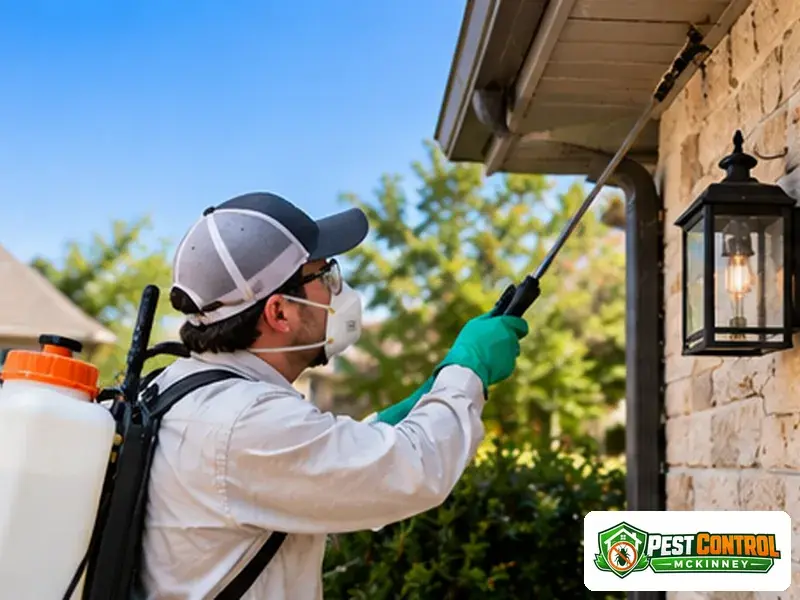
Exterior pest-control treatment around a McKinney home

2

Define the Scope

Choose the relevant treatment, device, source reduction, monitoring, or specialty service instead of defaulting to a broad application.
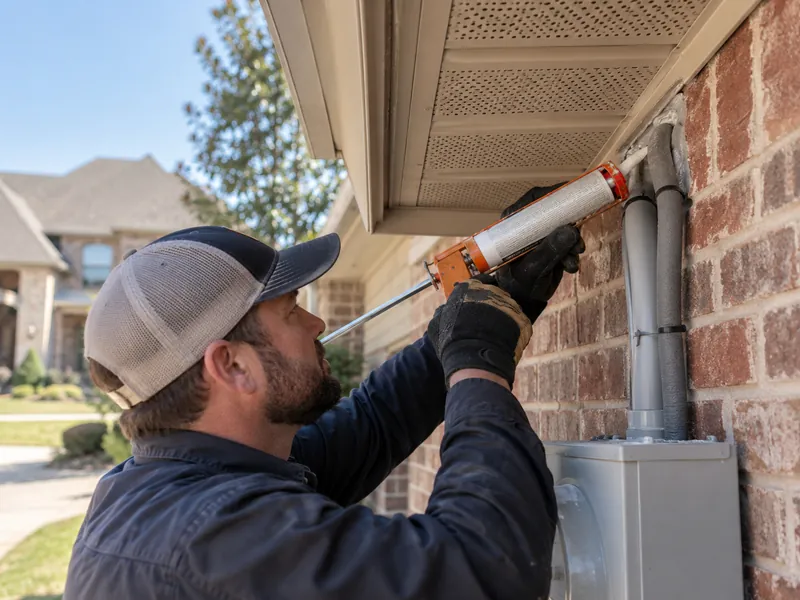
Rodent exclusion sealing a pest entry point on a McKinney house

3

Treat & Prevent

Connect active treatment with practical entry, moisture, food, habitat, or exclusion corrections when those conditions matter.
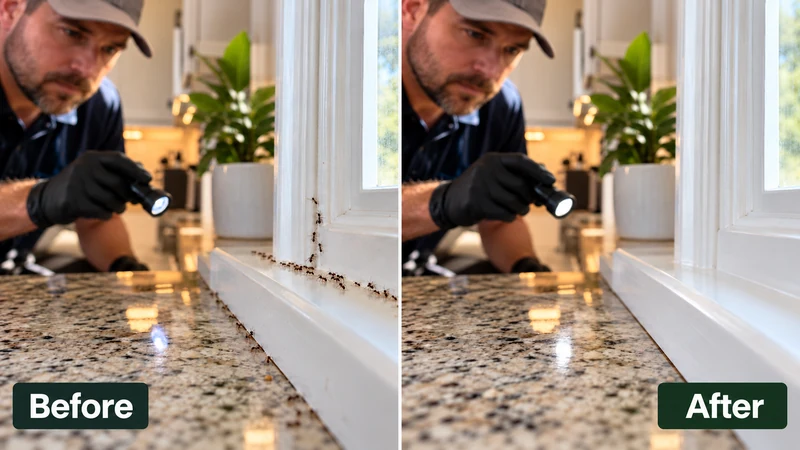
Illustrative before-and-after ant control example at a McKinney home

4

Recheck

Compare fresh evidence with the original baseline and decide whether follow-up, exclusion, or a different diagnosis is still needed.

The Process Changes by Pest

Rodents

Active removal can progress into structural exclusion once the population and entry routes are understood.

Rodent control →

Rodent exclusion →

Termites

Inspection evidence, construction stage, foundation access, and treatment method determine the next step.

Termite control →

New construction →

Indoor & Outdoor Pests

Ants, cockroaches, bed bugs, mosquitoes, spiders, and wasps each have different source, preparation, and follow-up requirements.

Service directory →

FOLLOW-UP & ESCALATION

The Process Does Not End When Product Is Applied

A useful follow-up compares current activity with the original evidence. The service should explain what improvement looks like, what conditions can cause recurrence, and what happens if the problem is unchanged or appears in a new area.

Activity trend

Fewer sightings, fresh droppings, trails, monitors, webs, mounds, or other evidence.

Source correction

Moisture, standing water, food, clutter, entry, vegetation, or structural conditions.

Service escalation

Another visit, a specialty inspection, exclusion work, or a different treatment path.

Clear handoff

Preparation, re-entry, monitoring, safety, and the next decision point.
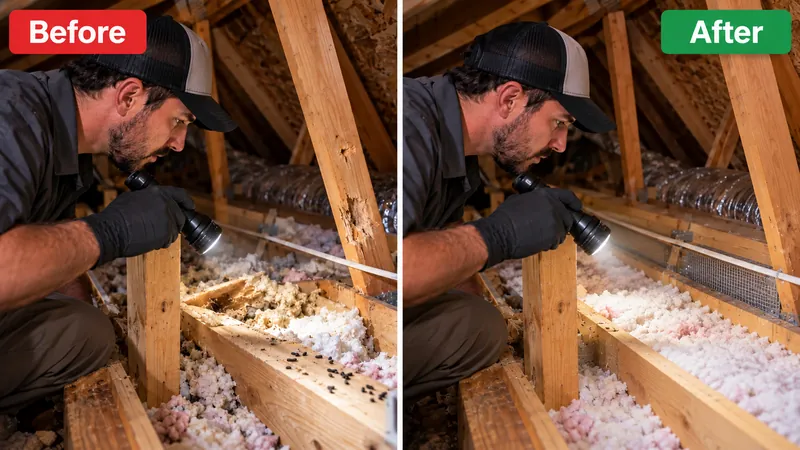
Illustrative before-and-after rodent control and attic cleanup example in McKinney

A Good Pest-Control Process Has Decision Points, Not Just Steps

The sequence from first contact to follow-up should change when the evidence changes. The process below is designed to keep identification, treatment, exclusion, safety, and monitoring connected without assuming every property needs the same work.

1. Define the symptom and affected area

The first conversation should capture what is being seen, heard, bitten, damaged, or found; where it occurs; when it happens; how long it has been present; and which DIY products or repairs have already been tried. A useful starting description is often more valuable than a guessed pest name.

2. Inspect the evidence and relevant property conditions

Inspection priorities depend on the problem. Ants may require trail, moisture, food, mound, and entry-route checks. Rodents may require attic, roofline, garage, droppings, gnawing, and access-point inspection. Mosquito work shifts outdoors toward standing water and resting zones. Termite concerns require a narrower structural and wood-destroying-insect lens.

3. Match the method to the finding

Treatment should explain what is being targeted and why. Some problems benefit from baiting, some from targeted applications, some from trapping or devices, and some from structural exclusion. More product or broader coverage is not automatically better.

4. Confirm the next decision point

Follow-up may mean monitoring, a return treatment, exclusion, source reduction, sanitation, moisture correction, or simply confirming that activity has stopped. Homeowners should know what signs to watch, what not to disturb, and when a new symptom means the plan should be reassessed.

  • Identification before broad treatment.
  • Preparation and re-entry instructions matched to the actual method.
  • Exclusion only where structural access is relevant.
  • Documented follow-up criteria instead of vague “wait and see” advice.